Infrastructure as Code — Why Linux Professionals Need to Understand It
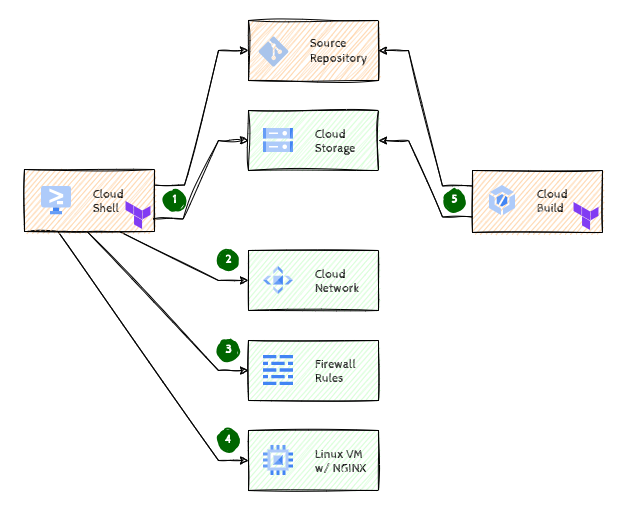
Infrastructure as code represents one of the most significant operational shifts in system administration over the past decade — the move from configuring infrastructure through manual commands and graphical interfaces to describing it in code that can be version-controlled, reviewed, tested, and applied consistently across environments. Understanding why this shift happened and what it enables is increasingly necessary for Linux professionals who work in modern cloud and enterprise environments.
The operational problem that infrastructure as code solves: configuration drift. When infrastructure is configured manually — even by skilled, careful administrators following detailed runbooks — differences accumulate over time. Servers that were configured identically at installation gradually diverge as different administrators apply slightly different fixes to the same issues, as patches are applied with different options in different maintenance windows, as one-time changes are made and not fully documented. Configuration drift produces environments that are difficult to reproduce, hard to audit, and challenging to troubleshoot because the actual state of the system may differ from any documented specification.
Infrastructure as code eliminates drift by making configuration the authoritative source of truth rather than the actual system state. When infrastructure is described in code, the question "what should this system look like?" has a definitive answer in the codebase, and tools can both apply that configuration and verify that the actual system matches it. Drift becomes detectable and correctable rather than inevitable and invisible.
The Linux knowledge that makes infrastructure as code tools comprehensible and effective: Linux administration fundamentals that allow you to understand what the code is doing at the system level. An infrastructure as code tool that installs a package, configures a service, or manages a user account is doing the same things you'd do manually at the command line; the code is a declarative description of those operations. Without Linux knowledge, the code is an opaque configuration that you can apply but can't troubleshoot when it doesn't produce the expected result.
The shell scripting and configuration management background that enterprise Linux environments typically develop is the most direct preparation for infrastructure as code work, because it develops the same underlying operational knowledge in an imperative context that infrastructure as code tools apply declaratively. The transition from "here are the commands to run" to "here is the state the system should be in" is conceptually straightforward once you have the underlying Linux knowledge to understand what both are describing.
The career significance of infrastructure as code competency for Linux professionals: it's the skill that most clearly bridges traditional system administration and modern DevOps and cloud engineering. Administrators who understand both the Linux systems that infrastructure as code configures and the code that describes that configuration are positioned for roles at the intersection of these disciplines. Structured learning that builds both foundations produces this dual competency more reliably than learning either in isolation.